



Tourism in Serbia, Bosnia and Croatia Not for the Faint-Hearted
BalkanTravellers.com
Recently, as the the AOL News website reported, bathers at picturesque Perucac Lake on the Serbian-Bosnian border were joined by divers looking for bodies from a massacre of Muslims perpetrated across the Drina River in the Bosnian town of Visegrad in 1992.
A total of 50 bodies thought to be those of Bosnian Muslims killed by Serb militiamen were found in the lake since the search began on July 19, according to the International Commission for Missing Persons, cited by the media, which is conducting DNA tests to see if the bodies match the missing persons database.
Three bodies of German Wehrmacht soldiers from World War II, when a guerrilla war against the German occupation raged in the area, were also found in the Perucac Lake. Researchers also recently searched for bodies from the 1999 Kosovo war that are believed to be inside a refrigerated truck that was driven into the lake in 1999.
Another example of the wars’ traces, which visitors encounter in the former Yugoslav countries, cited by the publication, is the graveyard for the thousands of victims of the genocide committed in the Bosnian town of Serbrenica in 1995, although a billboard tried to attract tourists with its outdoor activities.
In Croatia, AOL News claims, the Plitvice Lakes are also thought to harbor many missing bodies, not just from the latest wars but as far back as World War II.
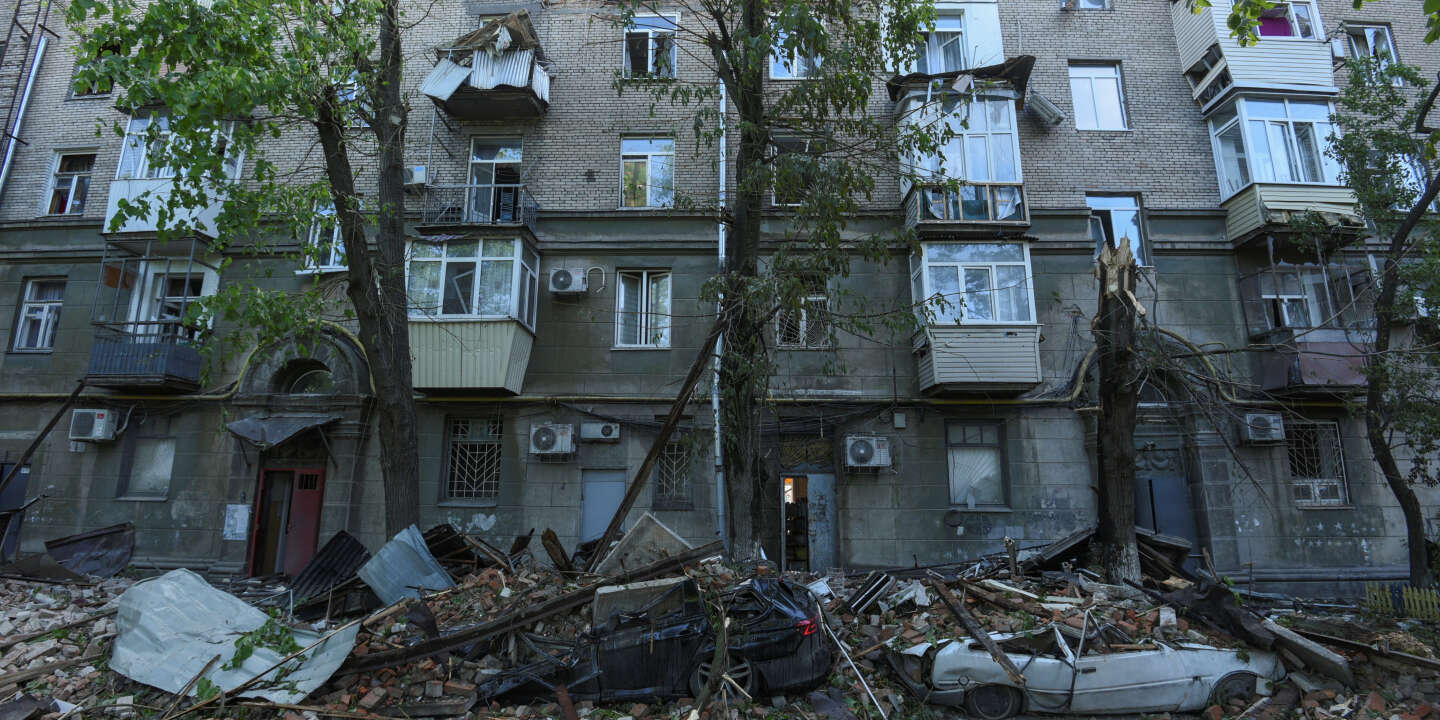
In addition, some areas continue to pose the threat of uncleared land mines: most notoriously, the hills surrounding Sarajevo remain stewn with them, while Serbia estimates it still has 183 million square feet of terrain to clear of NATO cluster bombs dropped during aerial attacks on the country in 1999, some of them near ski slopes in the mountainous south.
But, as the publication noted, “macabre as they may be, these reminders of war do not generally mar the holidays of millions of tourists; the region bears far more charm than it does danger.” As proof it sited encouraging statistics and trends – Croatia saw some 10 million foreign visitors last year, while Serbia received 645,000 foreign tourists, according to its government bureau for statistics, and Bosnia and Herzegovina is promoted as "the heart-shaped land" of natural and cultural attractions.
Some traces of the war are even attracting tourists. Among those cited in the publication the centuries-old bridge in the Bosnian town of Mostar, which was destroyed in the war and has since been rebuilt; the NATO trail for tourists in Belgrade - an overview of sites bombed during the 1999 attacks; and The Sarajevo survival guide, a book of black humor written during the siege of the city in the early 1990s.
As BalkanTravellers.com reported, Serbia, Bosnia and Herzegovina and Croatia, have been banking on their conflict-torn past for a some time now, by offering foreign visitors the chance to retrace the steps of war criminals and see the traces left by the wars that shook the region in the 1990s.
Epicure
Bulgaria
Shopska Salad: Three common mistakes
To Bulgarians, Shopska salad is a bit like the scrambled eggs case – while it looks as if there is no way to screw the dish, in fact its proper preparation requires nothing less then utter care and devotion. In this case – in selecting the right products and adjusting the proportions. Full Story
Curiosity Chest
Balkans
The Red and White Strings that Welcome Spring in Bulgaria and Romania
I remember walking along Canal Street in New York’s Chinatown on March 2 a few years ago, when I saw a man sporting a small ornament made of red and white thread pinned to his coat lapel. He must be Bulgarian, I thought to myself with a sudden rush of homesickness, but now realize that he may have been Romanian as well.
Full Story
Useful Reads
Bulgaria
Street without a Name: Childhood and Other Misadventures in Bulgaria (2008) | By Kapka Kassabova
Danube blues
Text by Nicholas Lezard for The Guardian*
Full Story
Music
Bulgaria
The Choir that Turned England a Bit Bulgarian
One of the few constant sources of pride for Bulgarians is traditional folk music, and especially singing. But not the Oriental-beats-modified kind that often booms in nightclubs, giving their clientele the urge to jump atop tables and chairs and sway their hips around; rather the kind that, when heard, mesmerises you and gives you goose bumps, the kind that is haunting with its out-of-this universe quality, mostly figuratively but sometimes literally as well.
Full Story
-
Photogalleries
-
A Perfect Shot